This page gives an overview of what a pupil at Berger can expect to experience in Year 2. If your own child is currently in Year 2, you can see pictures of YOUR child’s learning by logging into the Class Dojo app- where teacher’s regularly posts learning updates.
You can also see a detailed breakdown of every curriculum subject by clicking here and scrolling down to choose a subject area.

A journey through Year 2 at Berger
Autumn Term
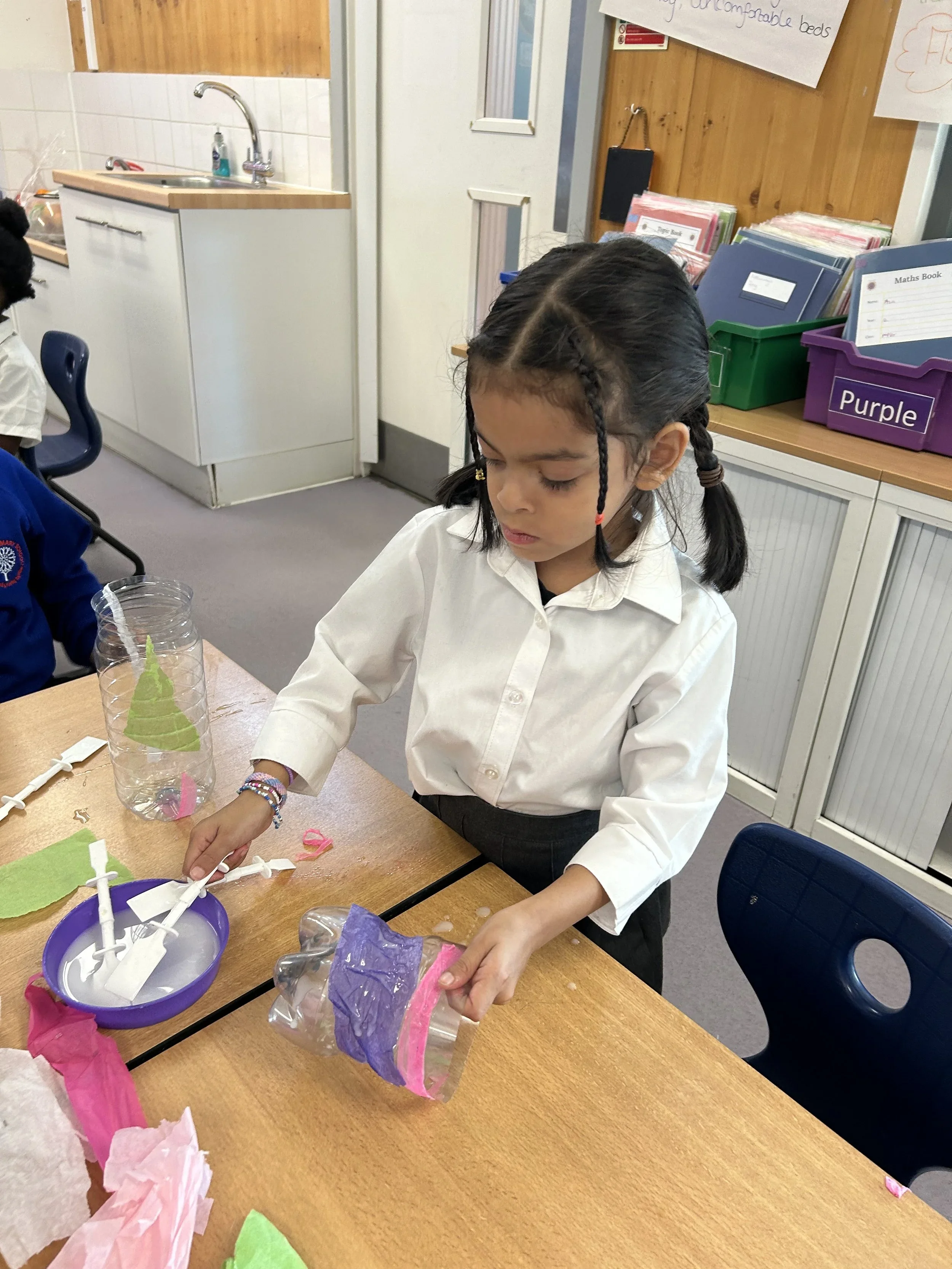
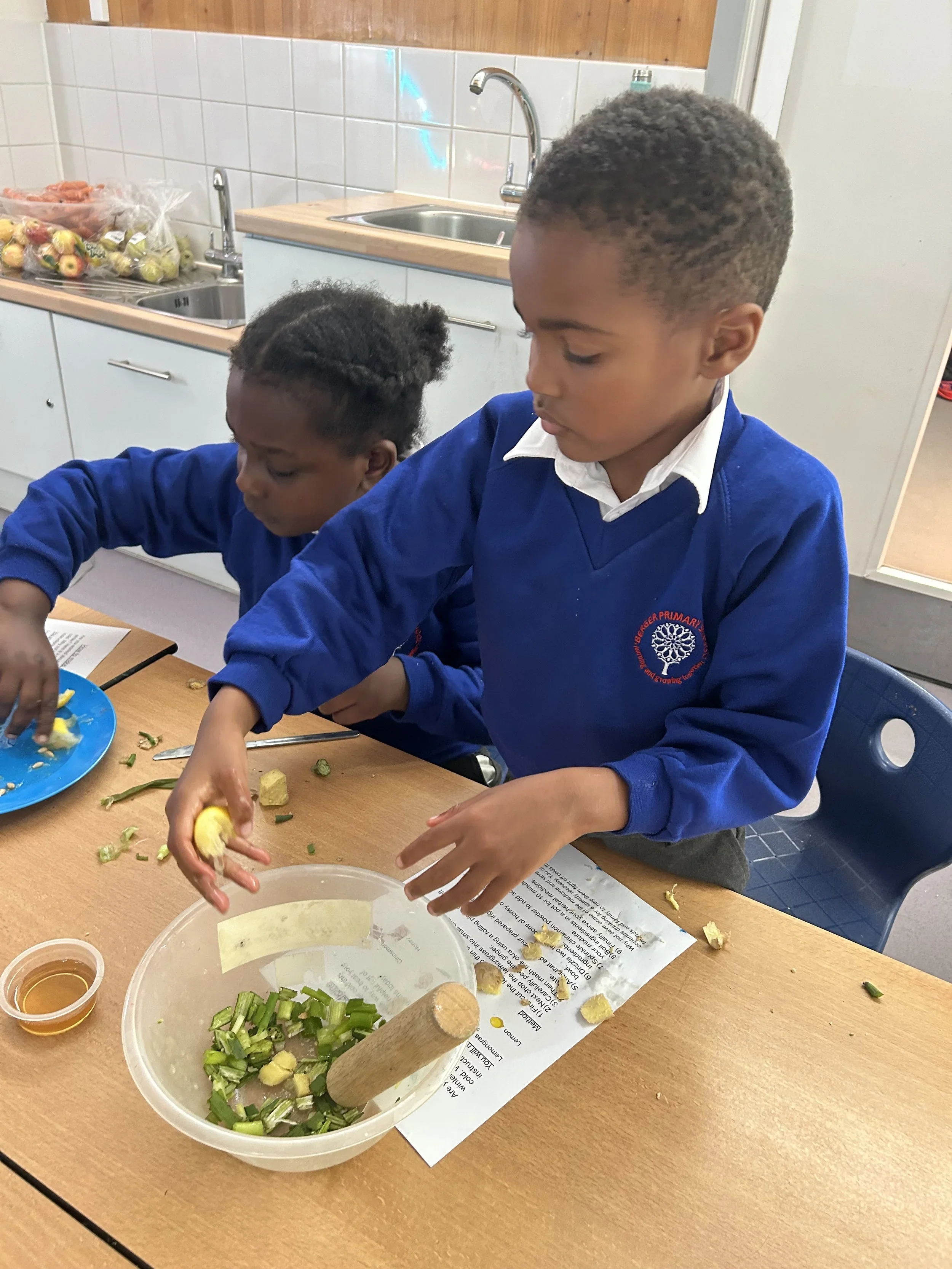
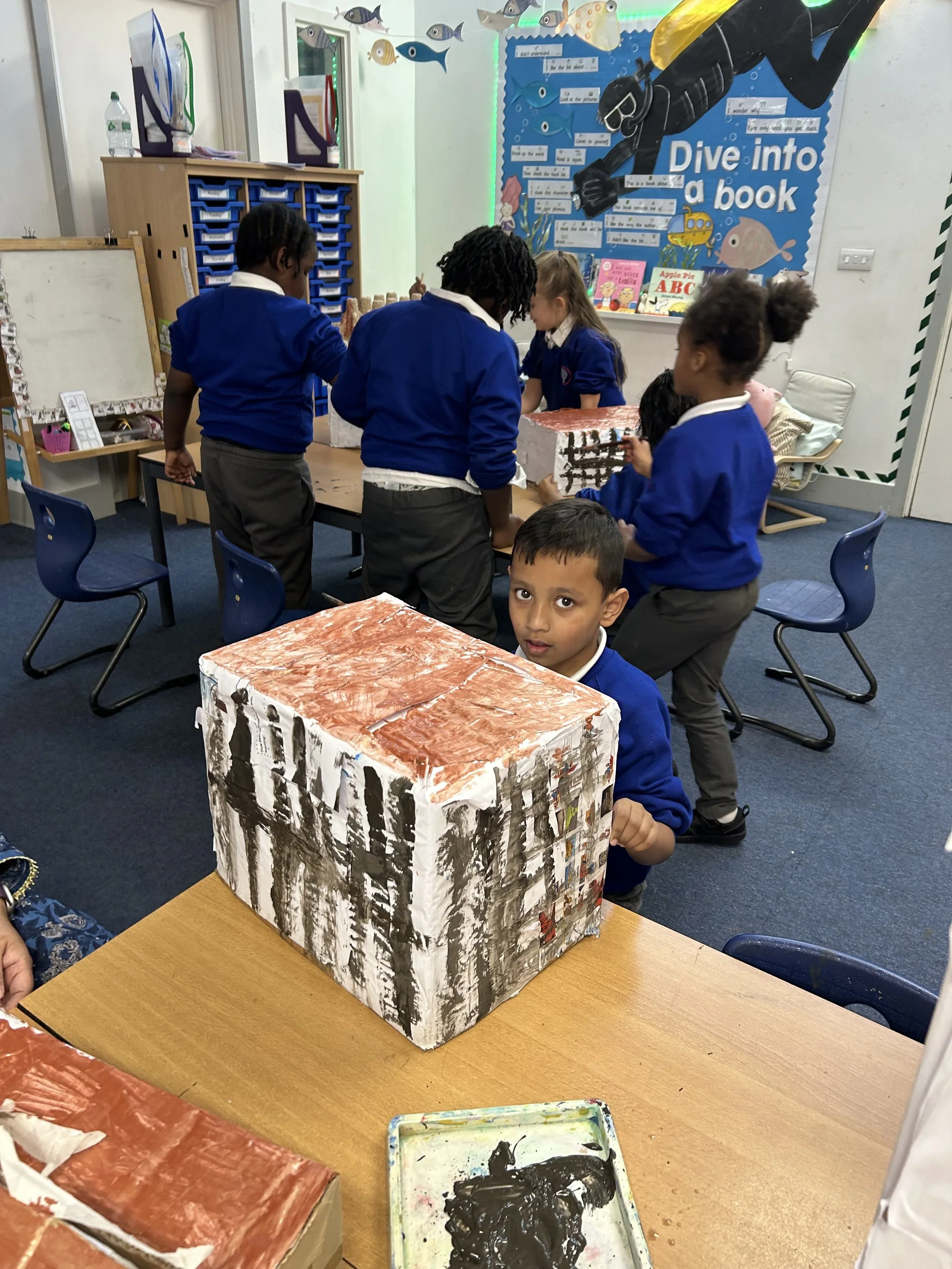
Our children start Year 2 in either Willow or Poplar Class.
Autumn Term in Year 2 continues to creatively build on and expand their KS1 knowledge from year 1. Their overarching enquiry questions are ‘What makes people helpful?’ and ‘Is fire good or bad?’
This term, our children will step into the shoes of famous historical figures and explore key moments from the past. They will write letters to Queen Victoria from Florence Nightingale's perspective, asking for support to improve conditions at Scutari Hospital. They’ll also travel back in time to 1666 and create their own diaries in the style of Samuel Pepys, who famously recorded the events of the Great Fire of London.
In Maths, pupils will deepen their understanding of numbers up to 100. They will work confidently with calculations up to 20 and learn to add and subtract one- and two-digit numbers, all while beginning to develop their knowledge of times tables.
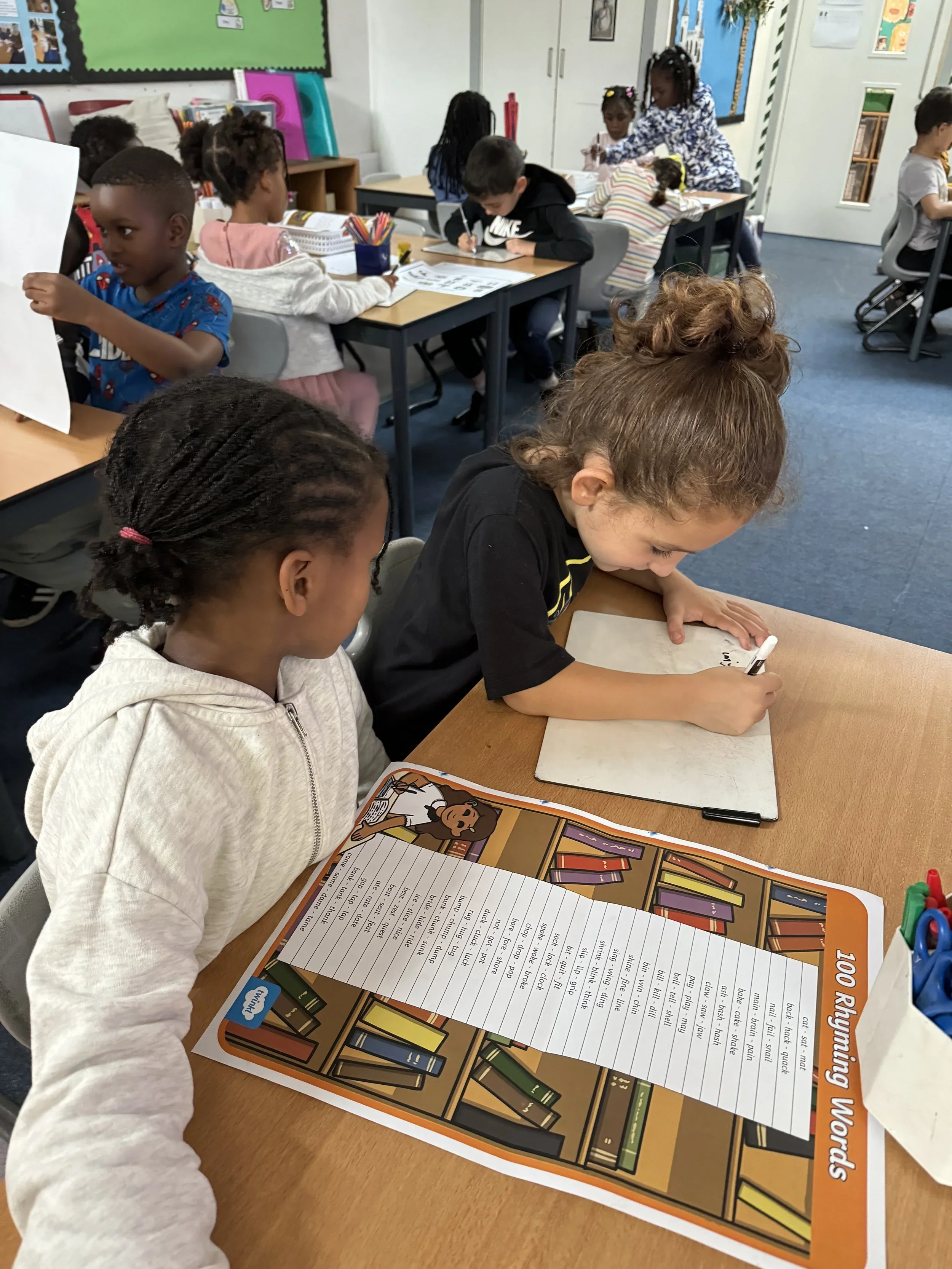
Daily Phonics and DSR lessons allow children to explore sounds, stories, and language in ability-based groups led by an adult. These groups are reviewed weekly to ensure every child continues to progress. Through these sessions, pupils learn to engage confidently with new ideas and information, thereby building valuable cultural knowledge.
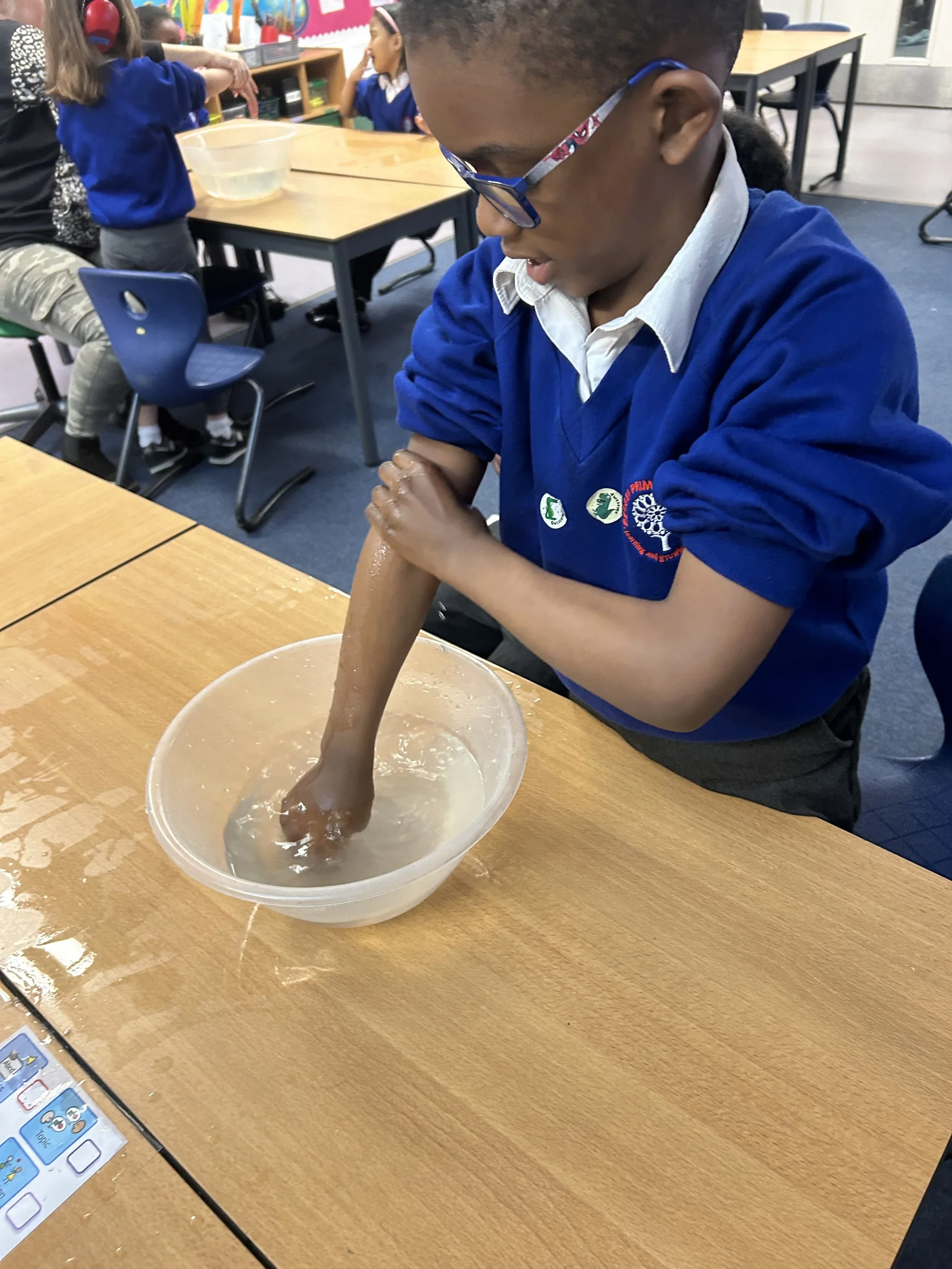
Our Science learning focuses on animals, including humans. Children will discover the features that make different creatures unique, as well as the essential things all living beings need to survive. They will also explore different materials and consider why certain objects need to be made from specific materials to do their job properly.
In PE, the children will develop their hand–eye coordination through racket skills. They will explore how to use a racket with both power and accuracy before applying these skills in exciting game situations.
PSHE and P4C lessons this term center around the theme ‘Living in the Wider World’. Children will take part in thoughtful discussions prompted by questions such as “What are rules and why do we need them?” and “What is an emergency and what should I do?” These sessions help pupils make meaningful links between classroom learning and real-life situations.
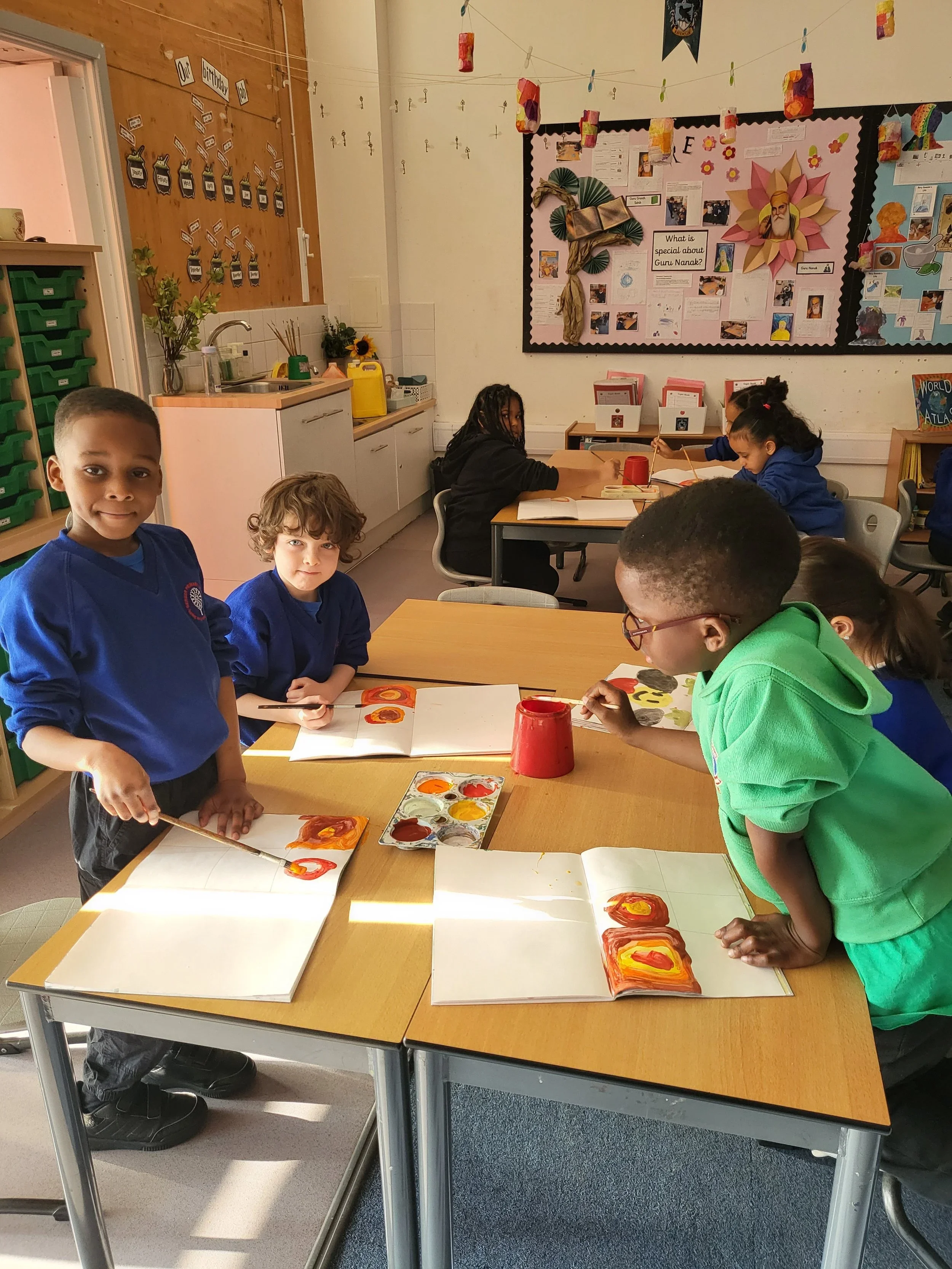
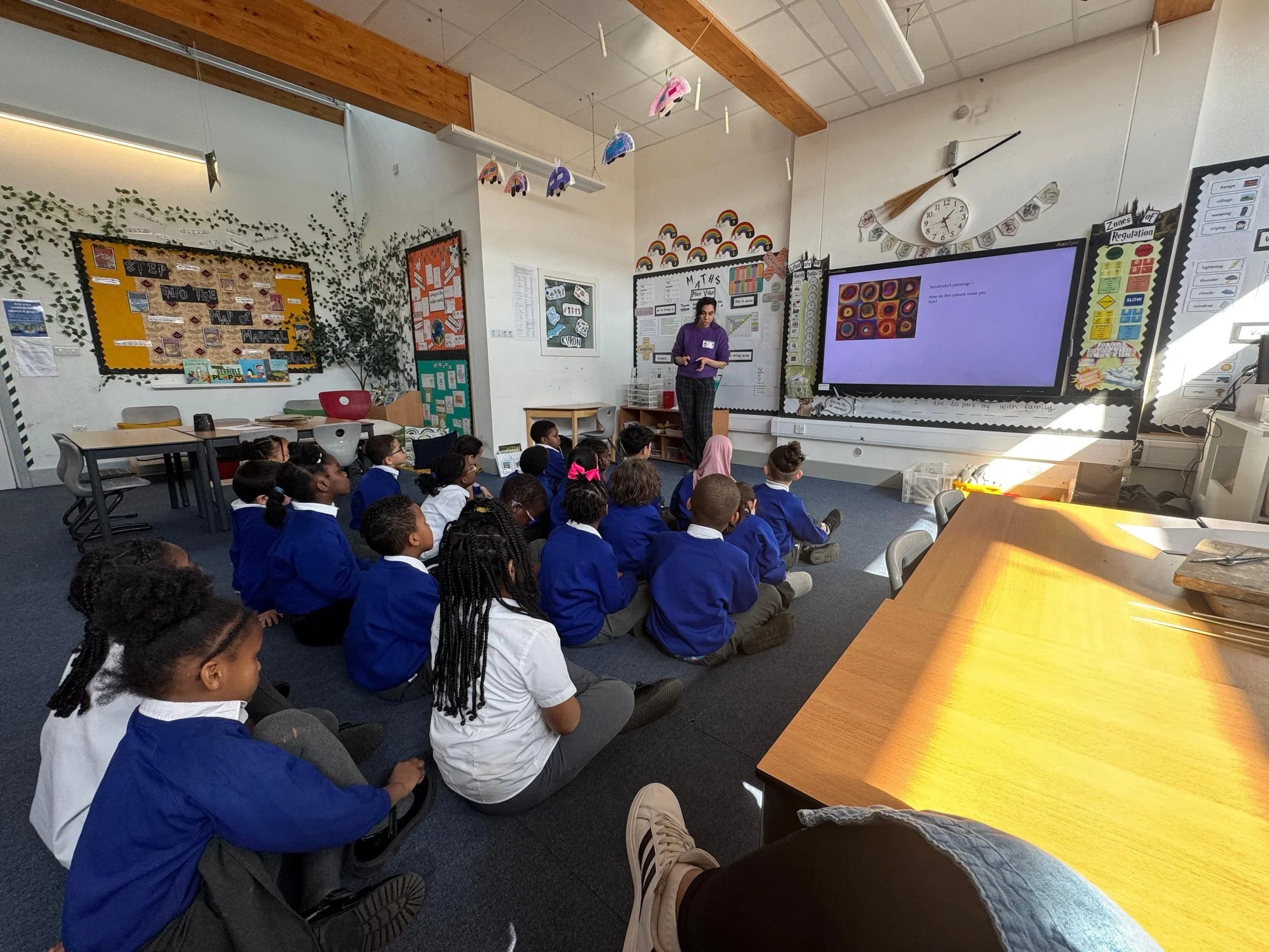
In Art, the children will study the famous series Thirty-six Views of Mount Fuji by Katsushika Hokusai. Inspired by his work, they will create their own interpretations using a range of materials, including paint, wax crayons, colouring pencils, and fabric.
Our Computing curriculum invites pupils to imagine life as programmers and game designers. Using software such as Scratch, they will learn to write simple code, create algorithms, and design their own games and animated stories.
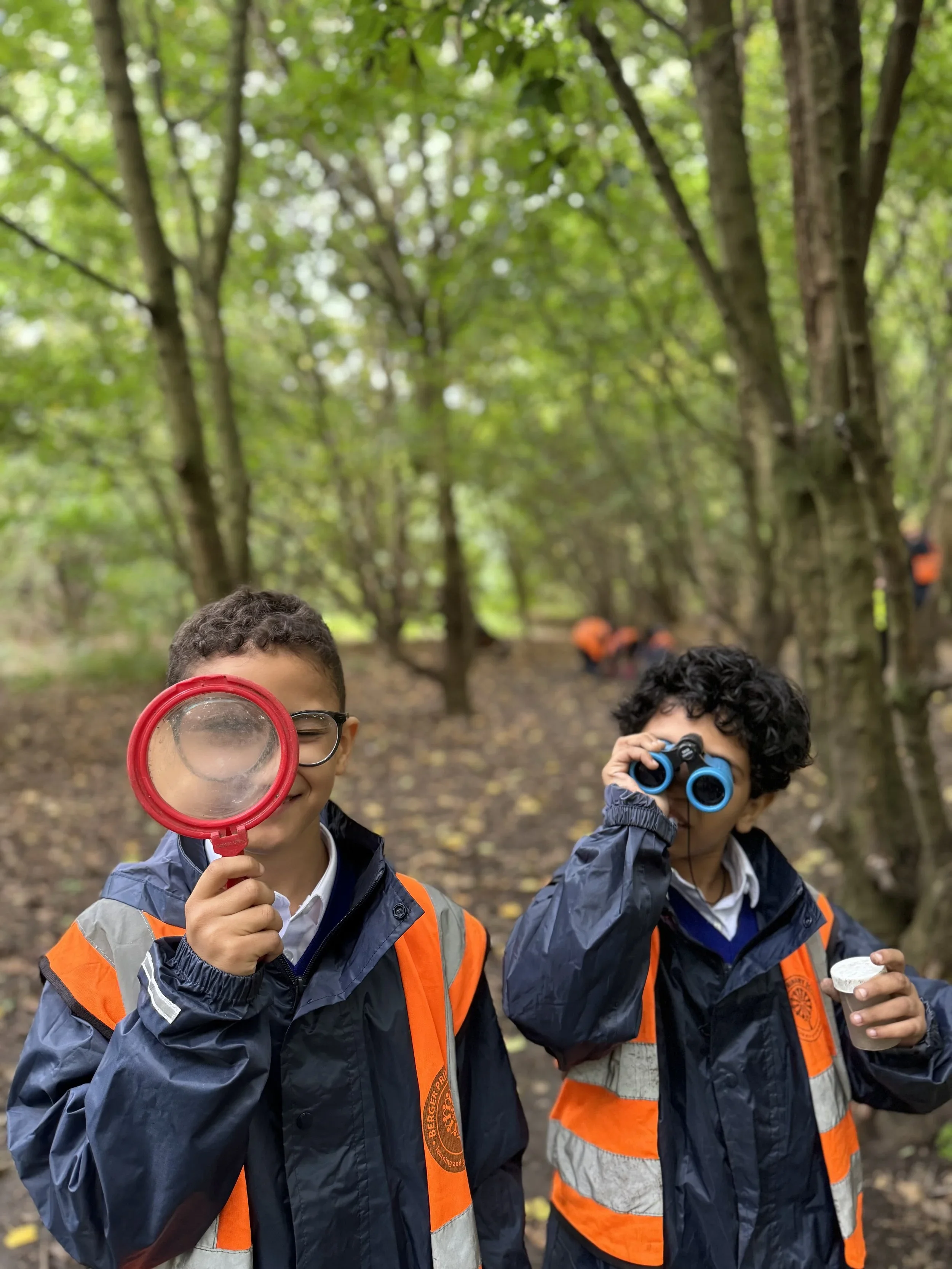
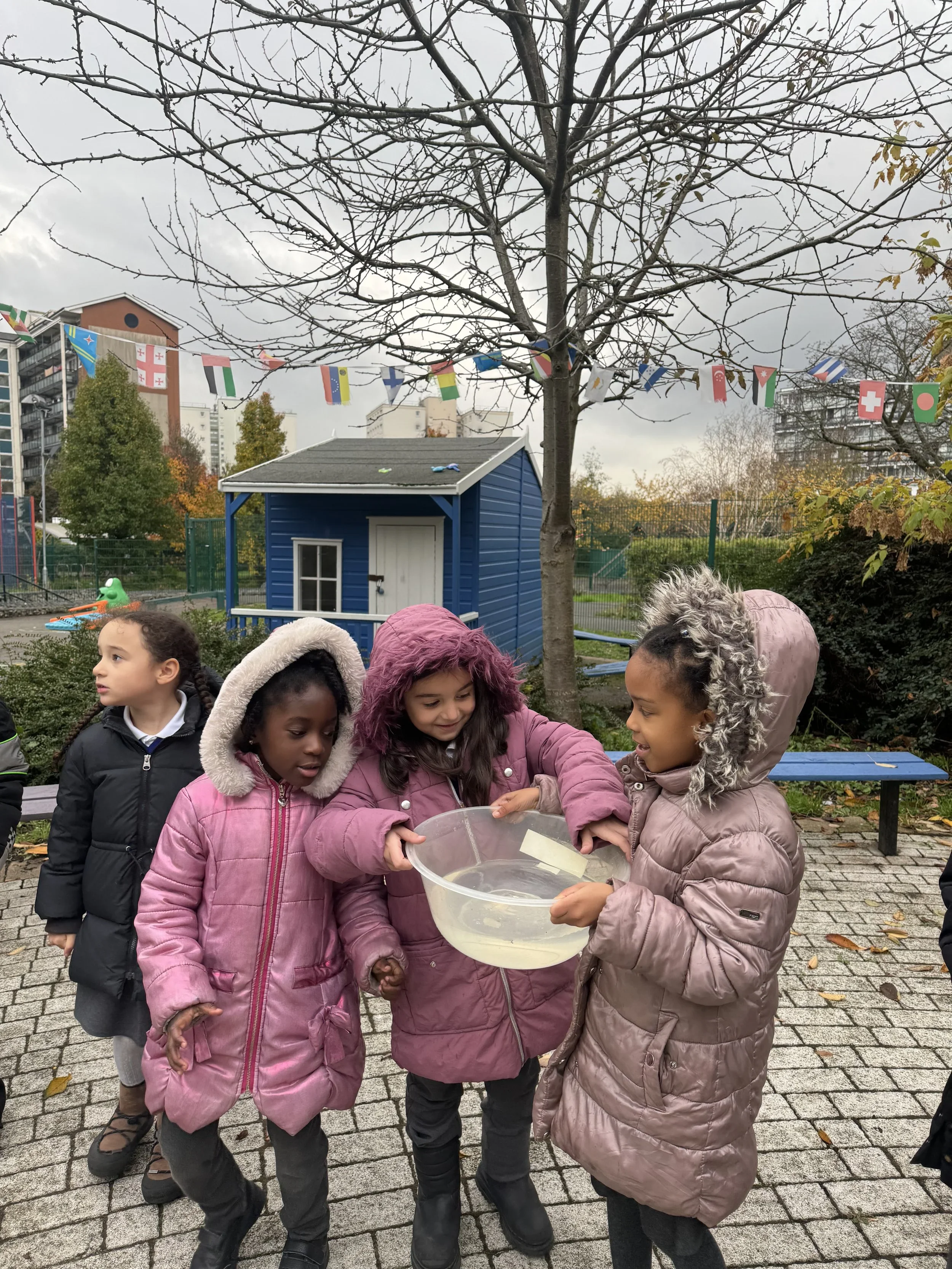
Finally, the children will enjoy half-termly Forest School sessions, where they can explore the great outdoors and make rich cross-curricular links to Science and Geography.
Spring Term
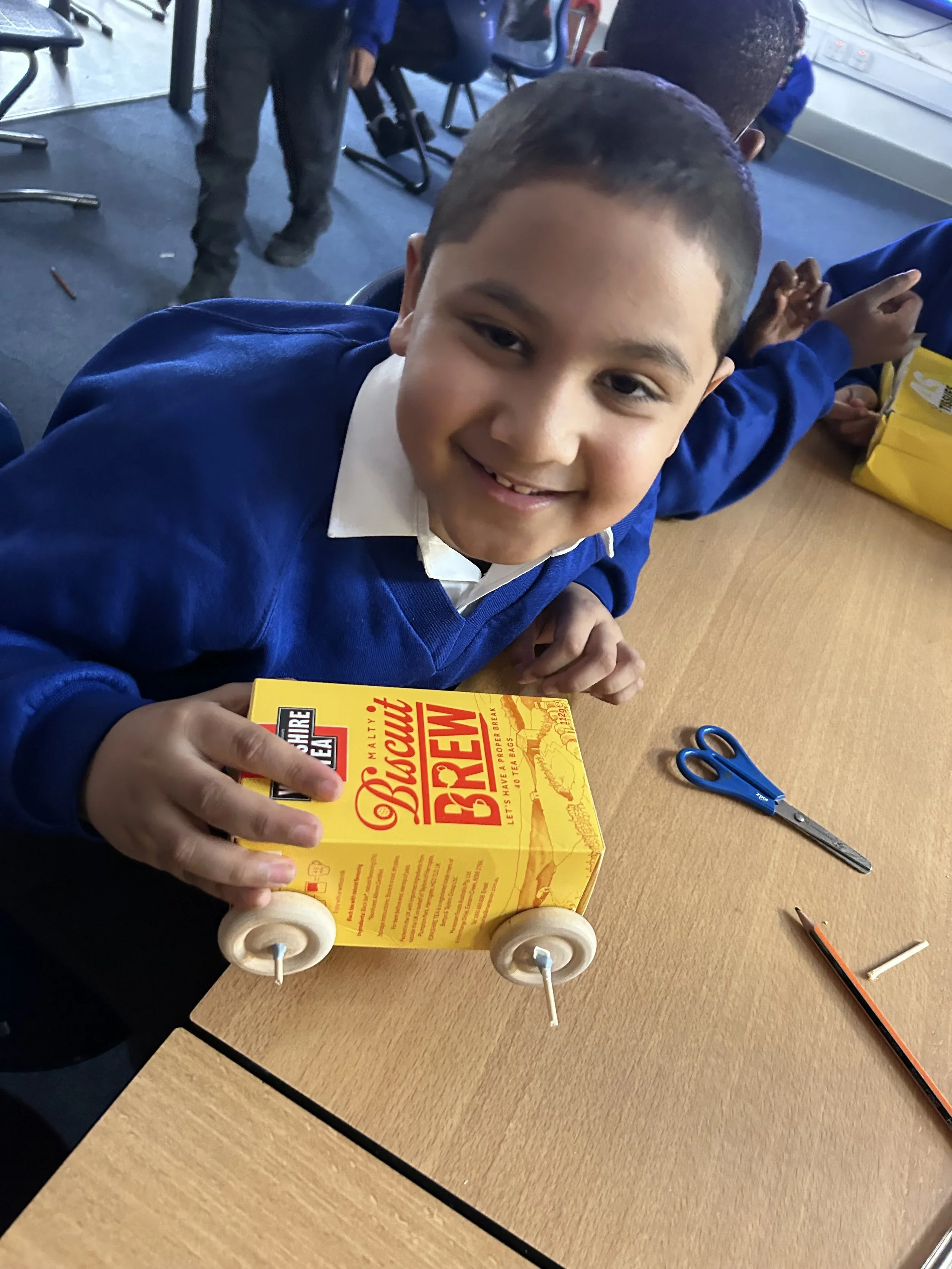
Spring term learning is based around the overarching learning enquiry questions of ‘What was the impact of wheeled transport?’ and ‘How does where we live affect who we are?’
In Writing, children will use their class texts as inspiration for their own creative work. They will begin by writing postcards as the character Bob from Man on the Moon, describing their exciting first day working on the moon. Later in the term, they will explore poetry based on Mrs Armitage on Wheels, using different types of transport as a fun and imaginative theme.
In Maths, pupils will continue to build confidence with calculations. They will learn how to subtract one- and two-digit numbers from other two-digit numbers, focusing carefully on place value and accurate number formation.
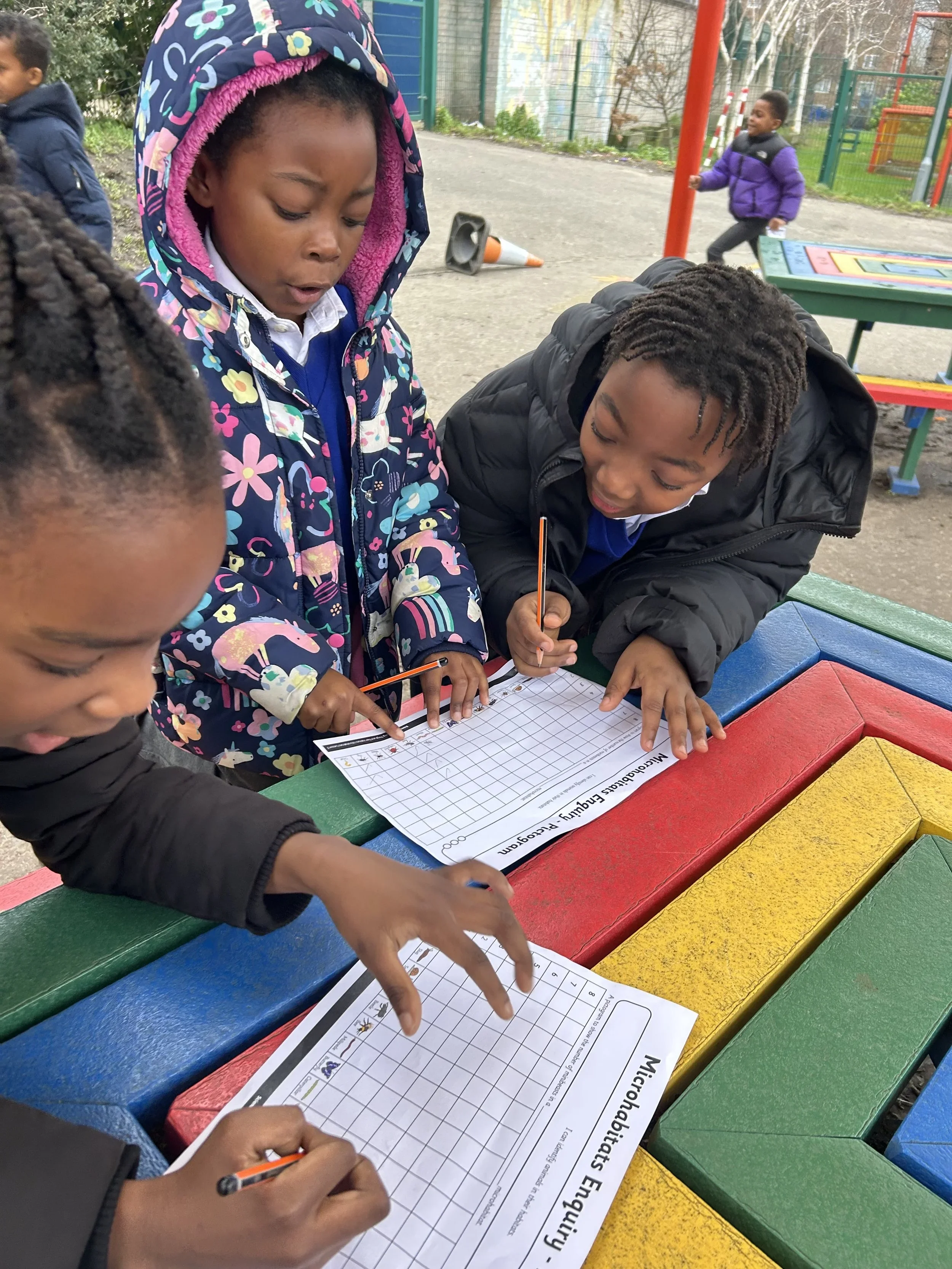
Our Science topic for the spring term explores animals and their habitats. The children will head outdoors to observe different creatures and discover where they live, developing an understanding of how habitats can change throughout the year.
In PE, children will develop their movement skills through turning, spinning, and twisting activities in gymnastics. Afterwards, they will move on to more competitive, team-based invasion games such as ‘Hero Wars’, helping them build teamwork, resilience, and coordination.
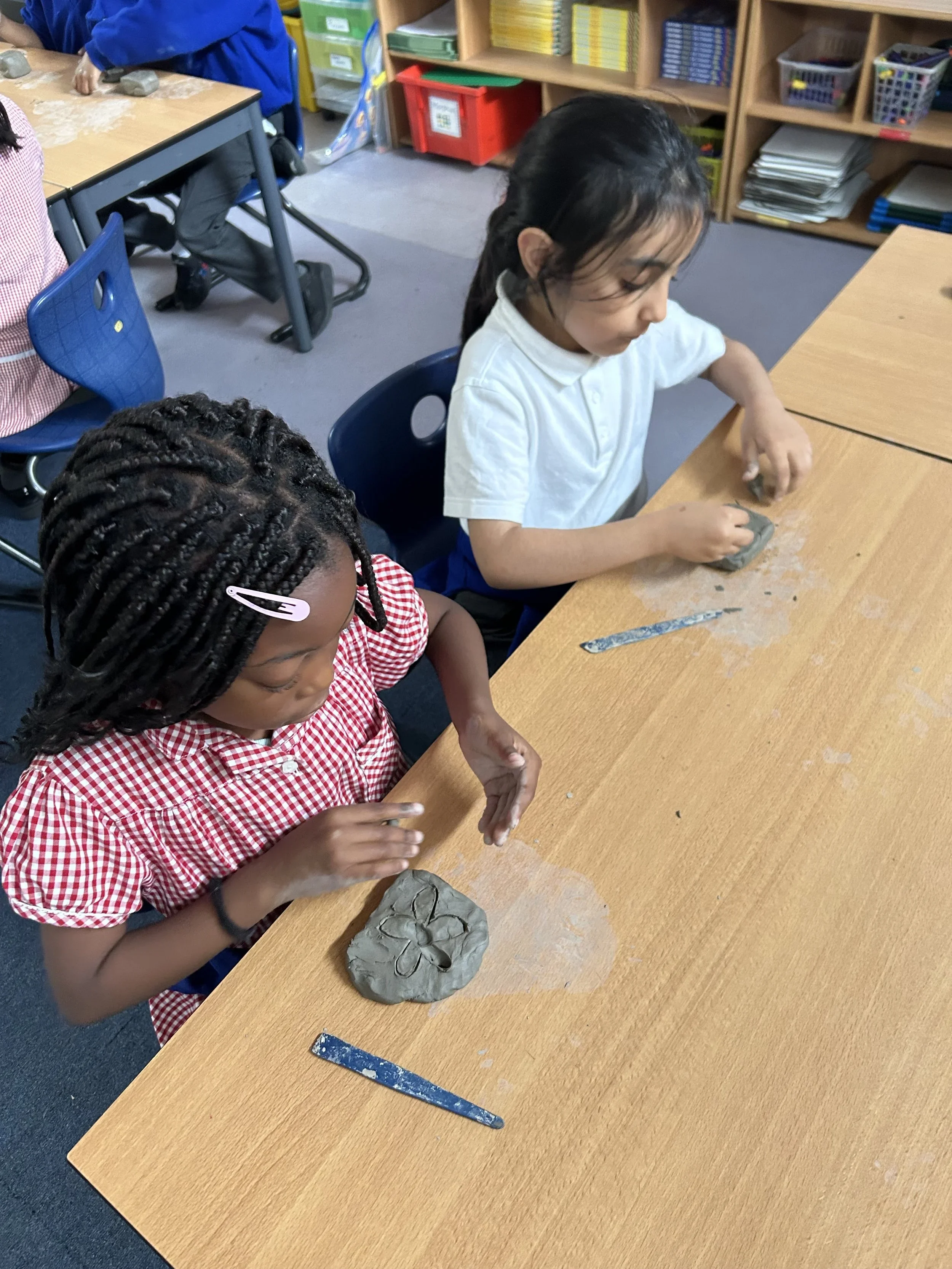
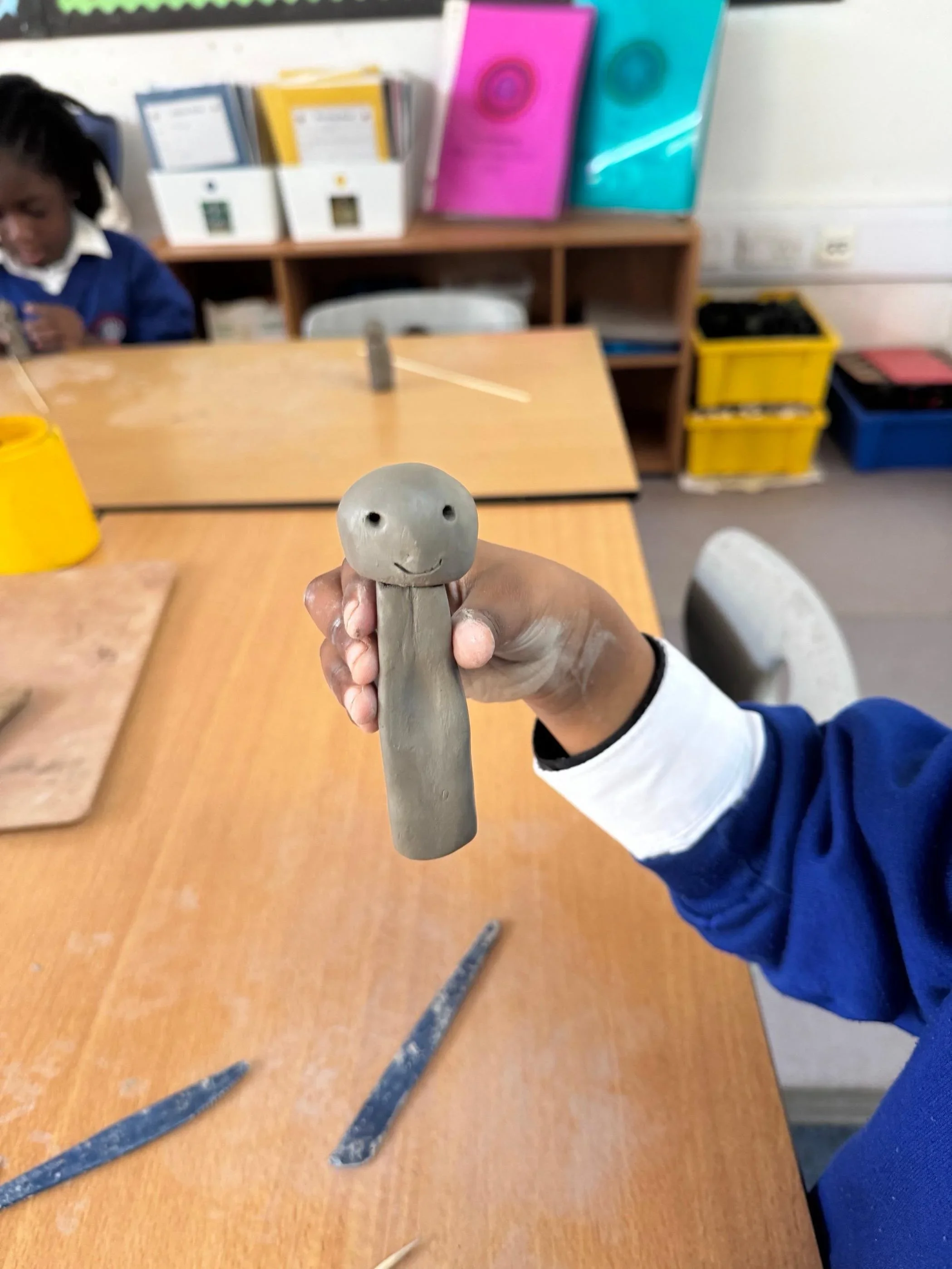
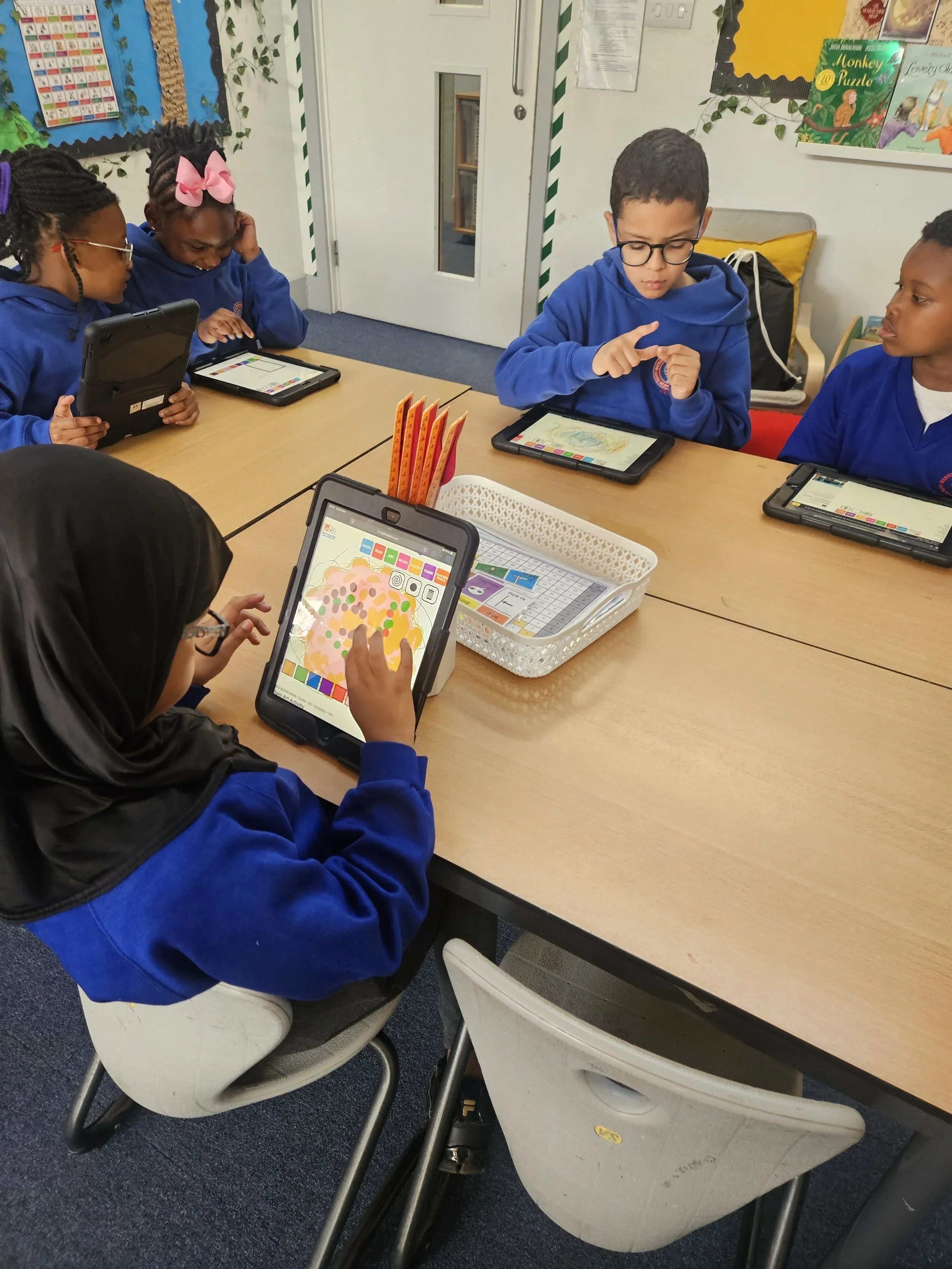
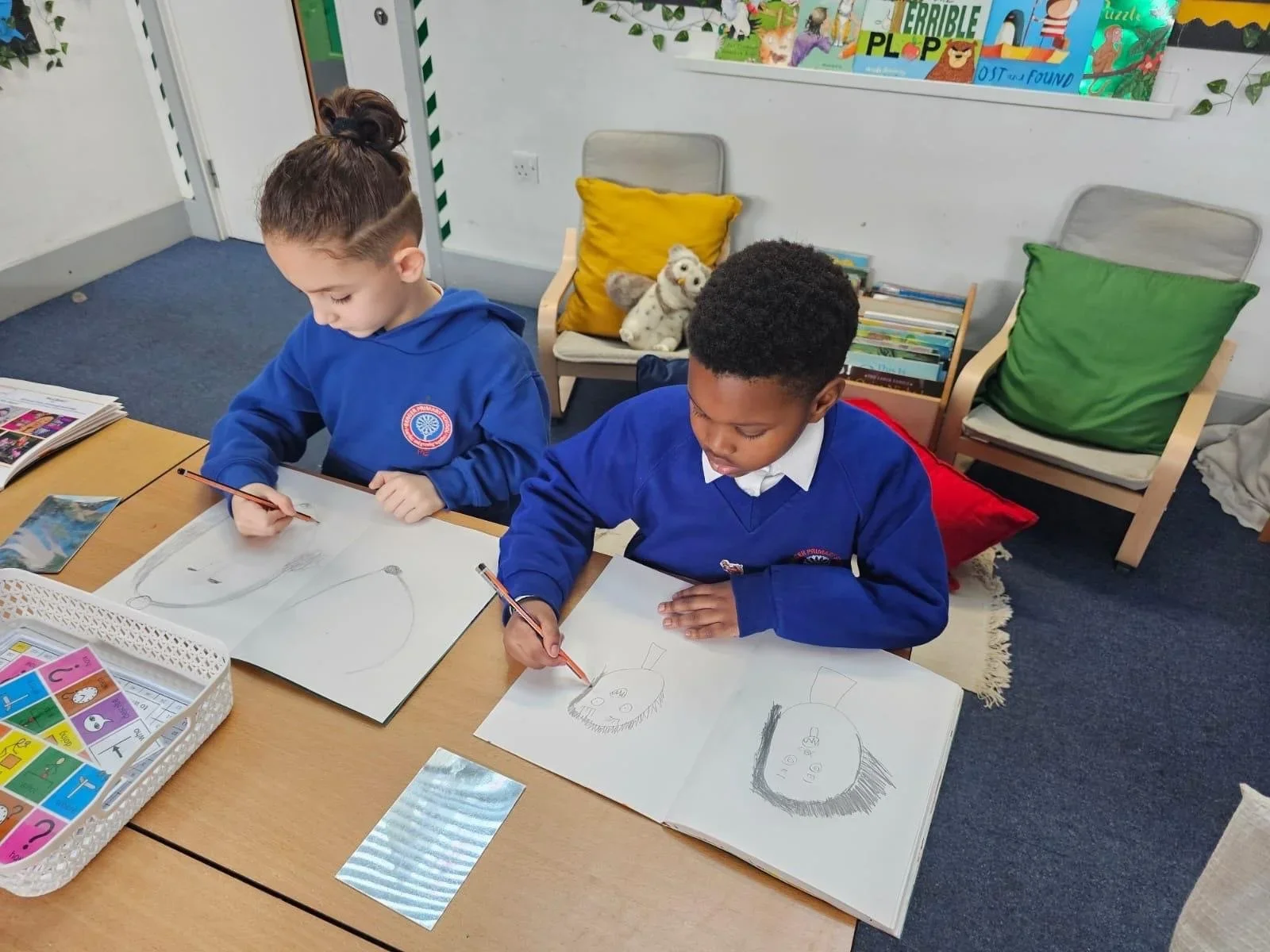
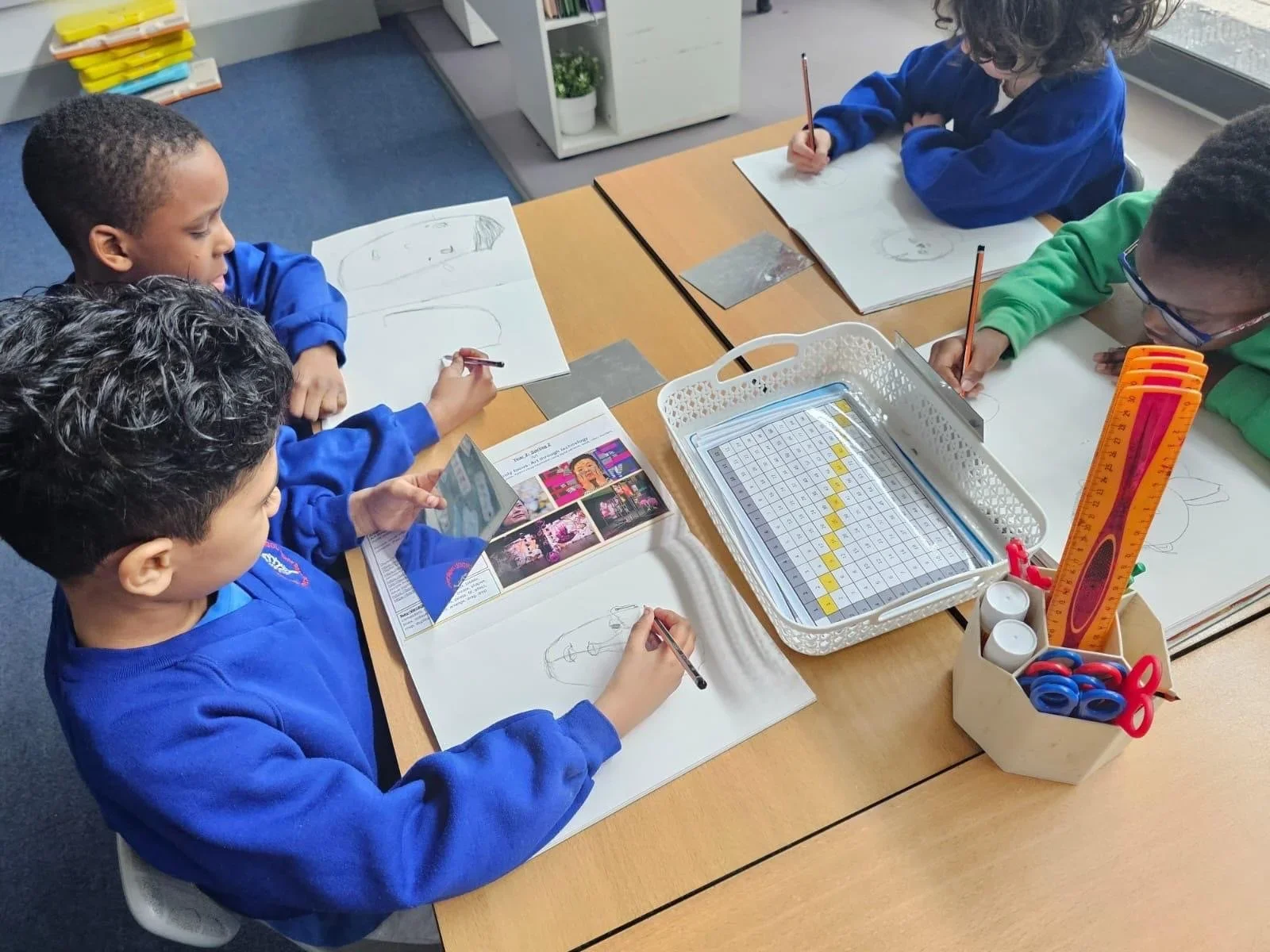
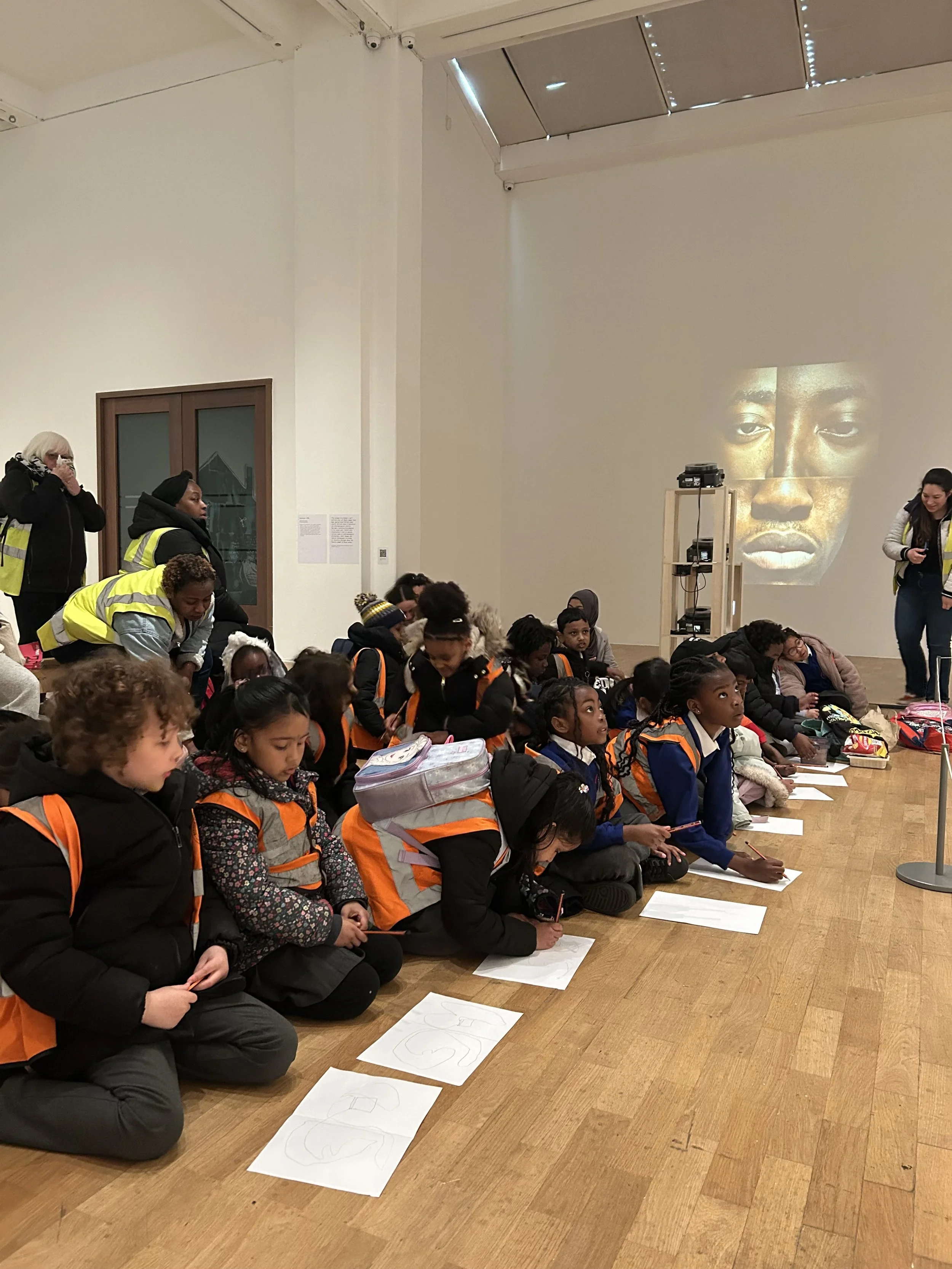
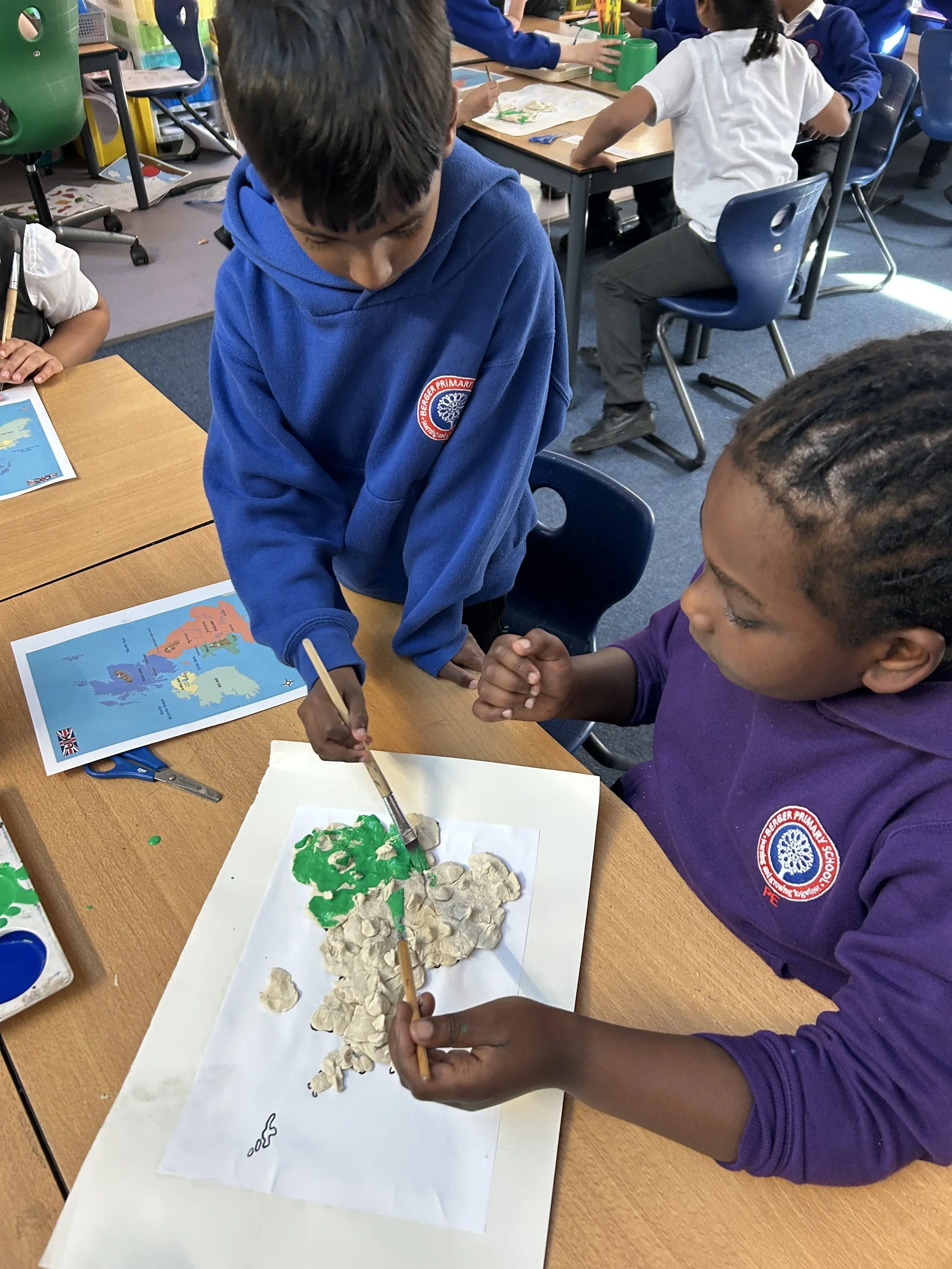
In Art, pupils will study the sculptures of Barbara Hepworth and experiment with clay to create a variety of shapes before producing their own unique pieces. They will then move on to digital art, taking inspiration from Hito Steyerl and using cameras, iPads, and video recorders to create modern, technology-based artwork.
PSHE and P4C lessons this term focus on ‘Relationships’. Children will explore thoughtful questions such as “What are emotions?” and “What does a healthy relationship look like?” These discussions help them understand themselves and others, linking their learning to real-life experiences.
Music lessons—taught in our brand-new music room—will focus on creating soundtracks for videos, with children exploring the lively style of the music hall era. In our bright and colourful dance studio, pupils will develop skills in performing sequences using unison, canon, and mirroring.
Summer Term
Summer term is here! A busy term with fun days and exciting trips, not to mention Sports Day in the incredible Copper Box arena. The overarching question to start this term is ‘Why and how should we look after our local environment?’ The children also get to choose their last topic for themselves.
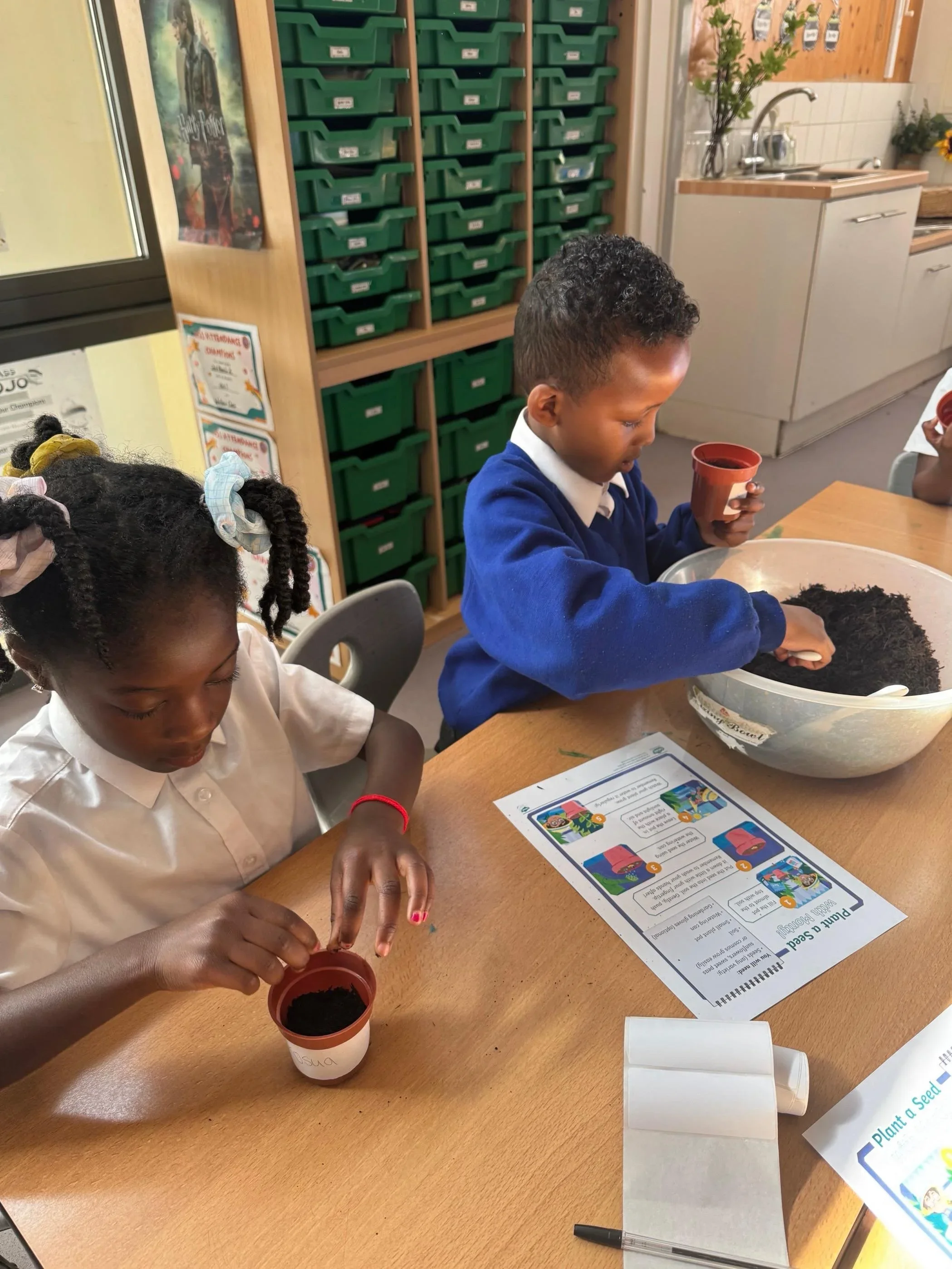
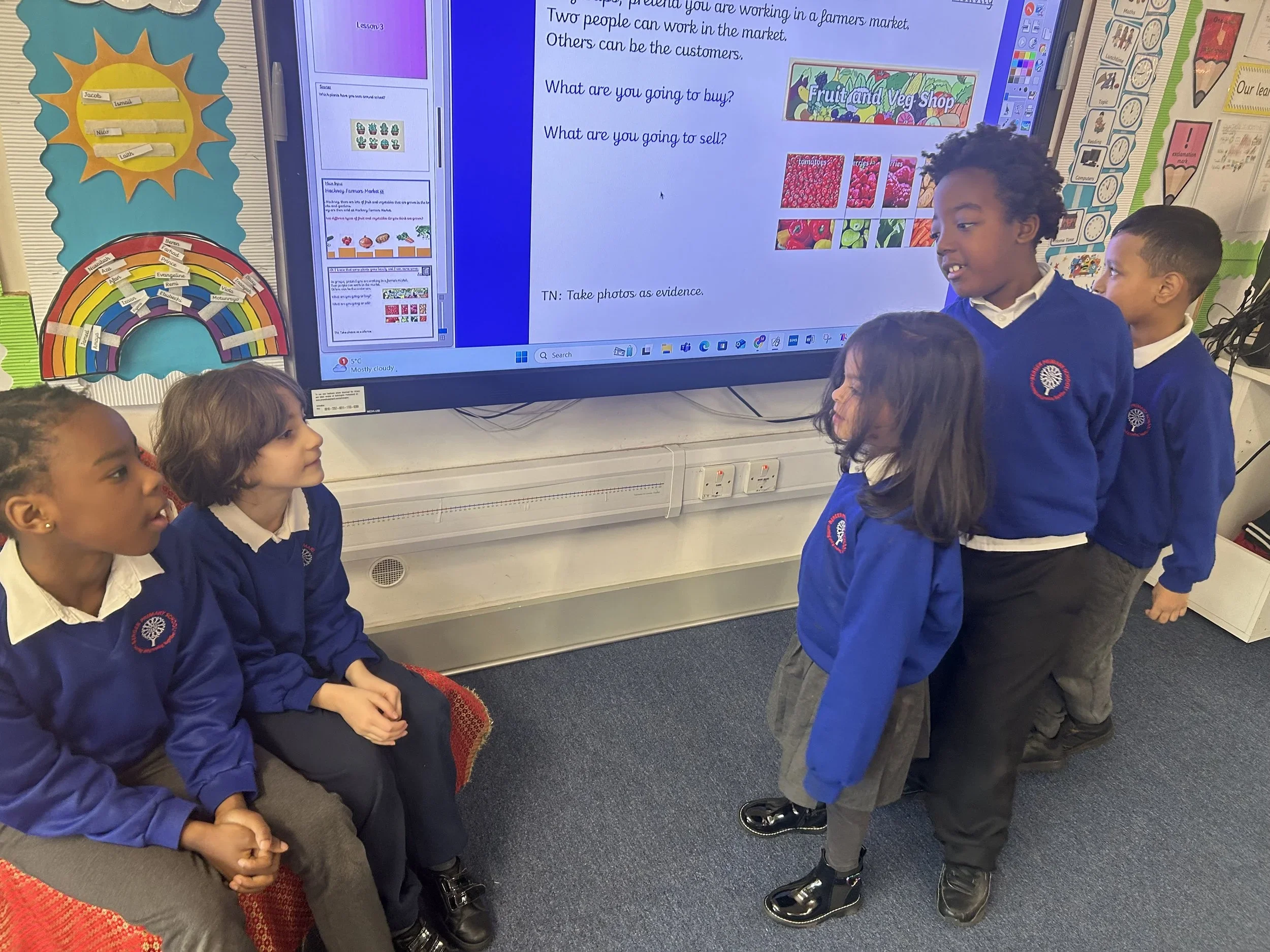
In Writing, the children will begin the term by creating information posters about their local area, Hackney, celebrating the places and people that make it unique. They will then move on to writing clear and detailed instructions on how to grow a plant, before finishing the term by producing their own creative narrative stories on a topic of their choice.
In Maths, pupils will develop their vocabulary and confidence in describing the properties of 2D and 3D shapes. They will also learn to recognise and use the symbols for pounds (£) and pence (p), find different combinations of coins that make the same amount, and compare and sequence intervals of time.
Science lessons will continue to build children’s understanding of plants—how they grow, what they need to survive, and the many different forms they take. During forest school visits, pupils will observe a variety of plants in their natural environment and learn to identify their key features.
This term in PE, the focus is on athletics and striking/fielding skills. Children will also have opportunities to practise for Sports Day, a much-loved event filled with team spirit, friendly competition, trophies, and prizes.
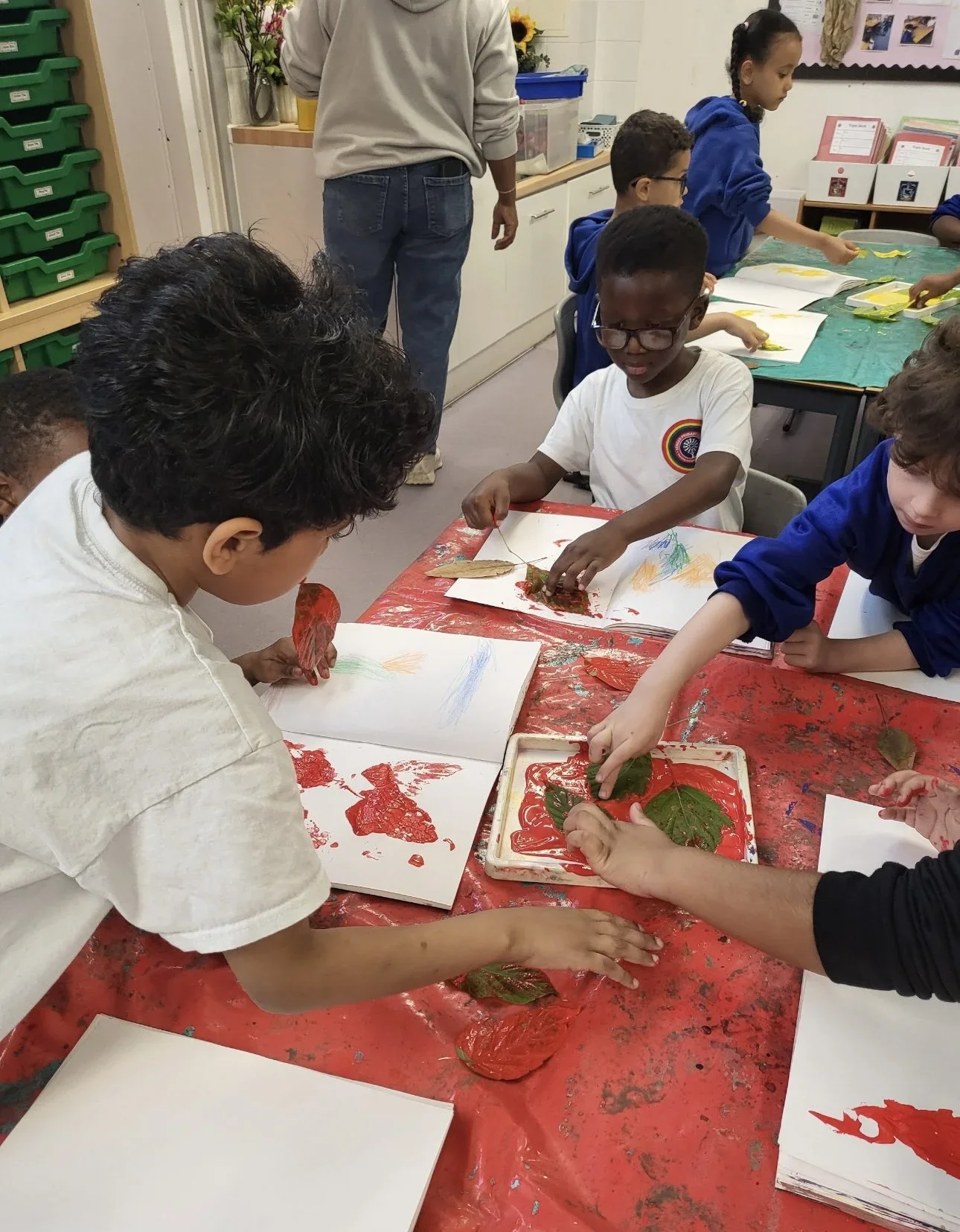
In Art, the children will explore a range of media—including crayons, pencils, pastels, and chalk—to create imaginative artwork inspired by Giuseppe Arcimboldo. Later in the term, they will study the textile art of Anni Albers. Pupils will learn to match and sort fabrics and threads by colour, texture, length, size, and shape, and will experiment with modifying and manipulating materials.
PSHE and P4C lessons this term explore the theme of ‘Health and Wellbeing’. Children will discuss thoughtful questions such as “How can I be healthy?” and learn about growing up and staying safe. These sessions support children in understanding themselves and others, helping them make meaningful links to real-life situations.
In Music, the focus will be on using their voices confidently through singing games and performance activities. Children will learn and rehearse a song for the end-of-year school show. They will also explore dance movements linked to their songs, thinking about how to improve their coordination and expression.